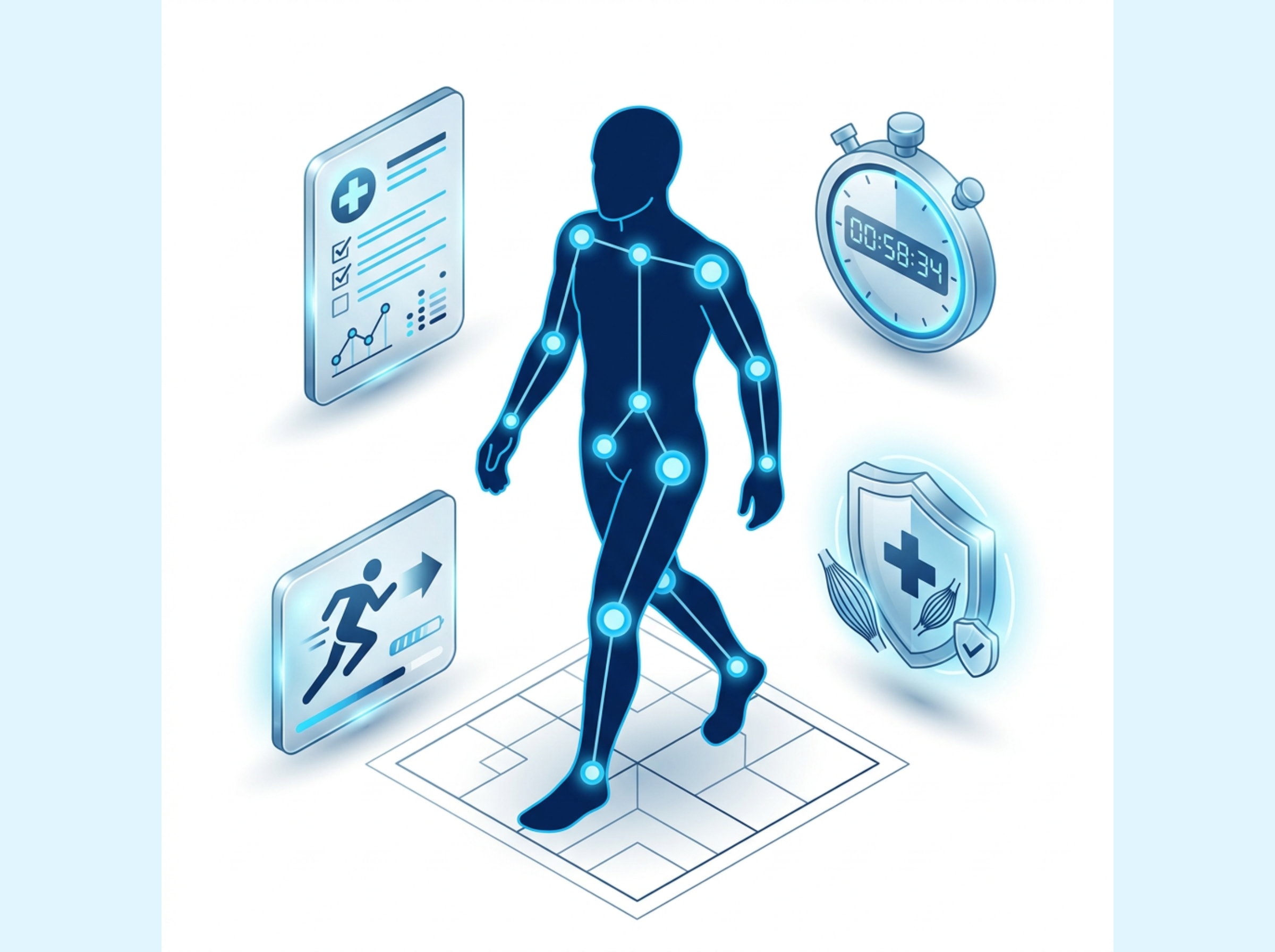
Finding the root cause...
Evidence-based diagnostics for root-cause identification. Our advanced assessment protocols reveal the underlying biomechanical, neurological, and functional causes of pain and performance limitation.
A comprehensive clinical evaluation to identify the root cause of pain, injury, or performance limitation through hands-on orthopedic testing.
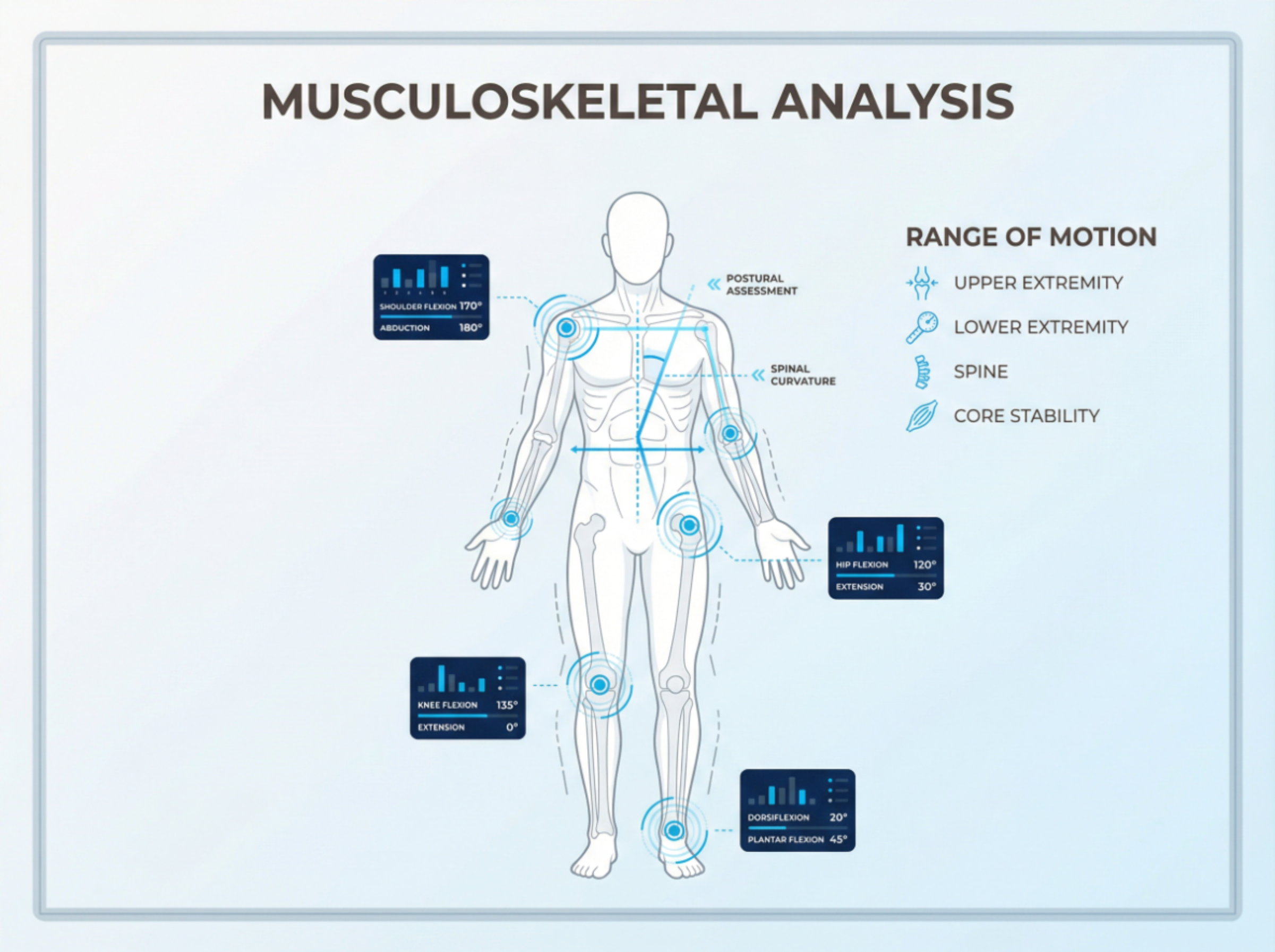
Systematic evaluation of spinal curvature, head position, and overall skeletal alignment in static standing posture.
Quantified range-of-motion testing across all major joints to identify restrictions contributing to movement dysfunction.
Comparative strength and length testing to detect asymmetrical muscle tension patterns that cause chronic pain cycles.
Activity-specific movement screening to map how structural findings translate into real-world performance barriers.
Specialized orthopaedic special tests to diagnose injuries to muscles, tendons, ligaments, and joint structures.
Evidence-based special tests for specific joint pathologies, including meniscal, ligamentous, and capsular integrity.
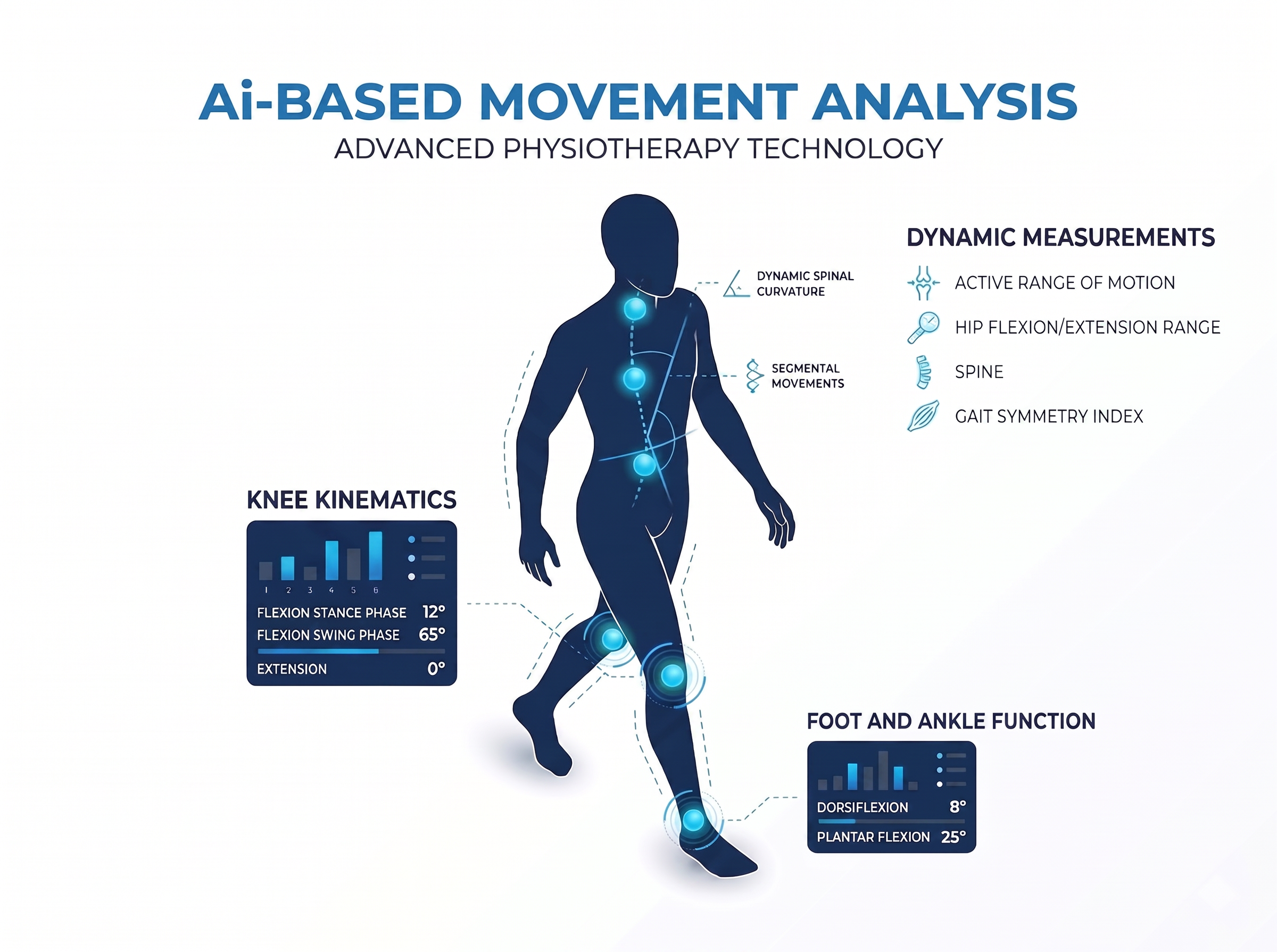
Advanced technology-based assessment that evaluates how the body moves during functional activities, detecting hidden biomechanical faults that lead to injuries.
AI-assisted static and dynamic postural evaluation using image recognition to quantify deviations with precision.
Detailed gait cycle assessment identifying cadence, stride symmetry, and compensatory patterns during walking.
High-speed running biomechanics assessment to detect overstriding, impact forces, and joint loading inefficiencies.
Objective measurement of muscular force output to identify bilateral strength deficits and functional weakness.
Segmental spine motion analysis tracking each vertebral level to locate restricted or hyper-mobile spinal segments.
Task-specific movement evaluation using standardised protocols to assess readiness for daily activities and sports.
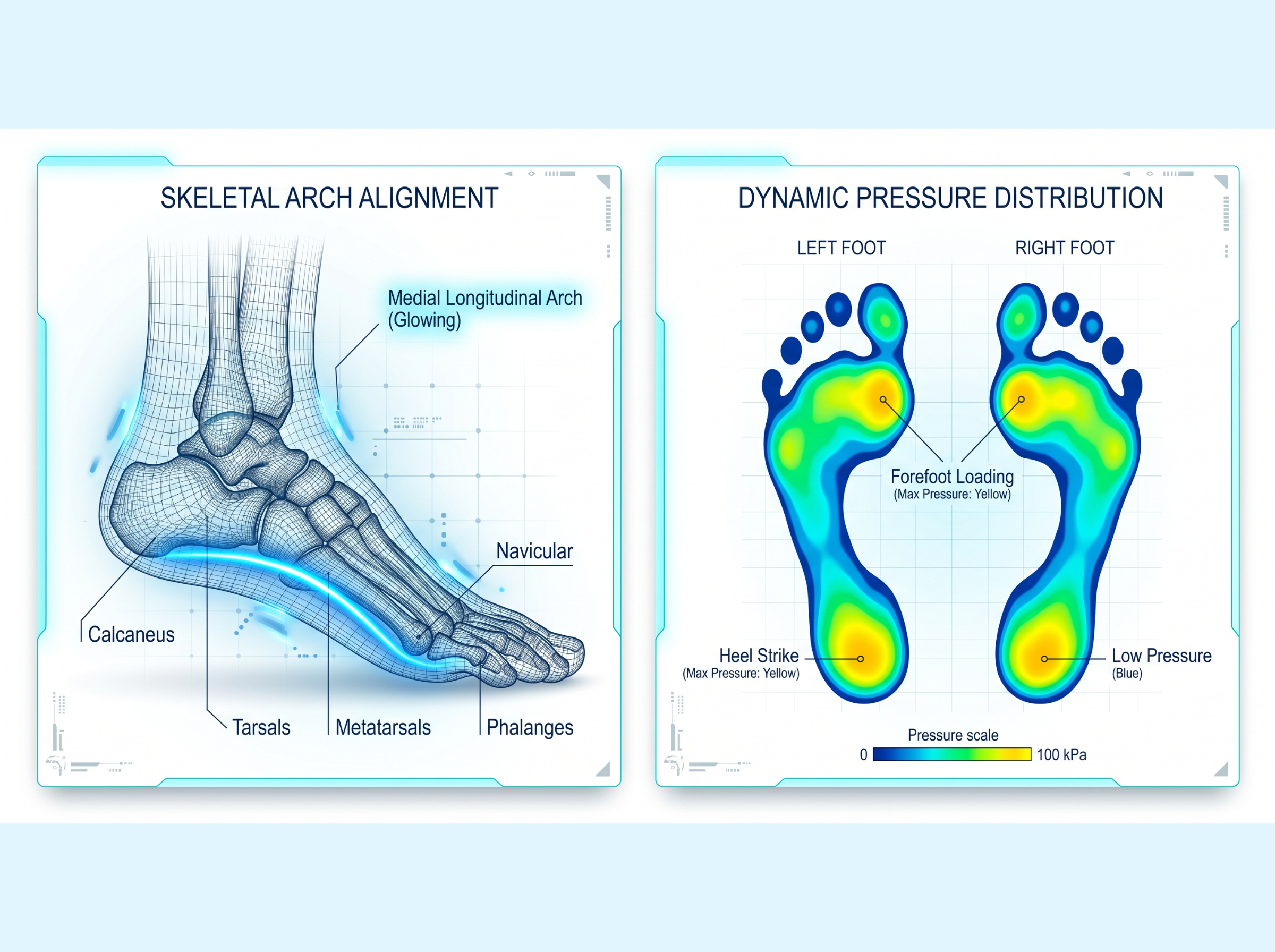
Precision assessment of foot structure, pressure distribution, and arch mechanics — the critical foundation of whole-body alignment.
Dynamic pedobarographic testing to study real-time pressure distribution under the feet during standing and walking. Identifies high-load zones, offloading patterns, and asymmetrical weight-bearing that cause pain and joint degeneration up the kinetic chain.
Structural evaluation of foot arch height and alignment using multi-angle assessment. Accurately detects flat foot (pes planus), high arch (pes cavus), over-pronation, and supination — each of which impacts knee, hip, and lower-back health.
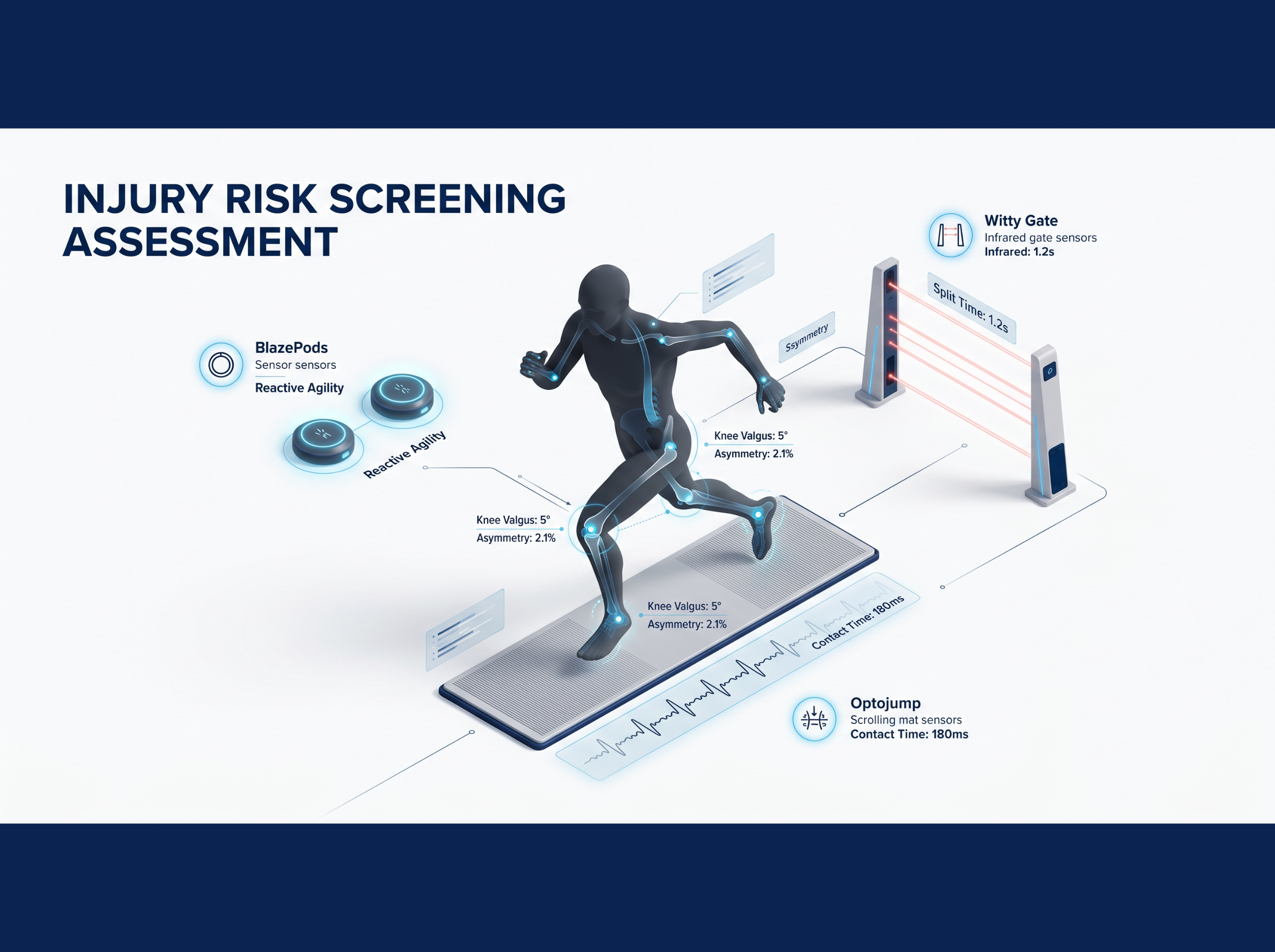
Technology-led performance assessment designed for children joining sports academies, active athletes, and gym-goers seeking to train safely.
Reaction-light system testing for agility, cognitive speed, and neuromuscular response latency under sport-specific conditions.
Precision speed-gate timing system measuring sprint velocity, acceleration profiles, and linear speed benchmarks.
Infrared jump analysis measuring flight time, contact time, and vertical power output for explosive strength profiling.
Comprehensive locomotion tracking assessing movement quality, efficiency, and sport-specific movement patterns over distance.
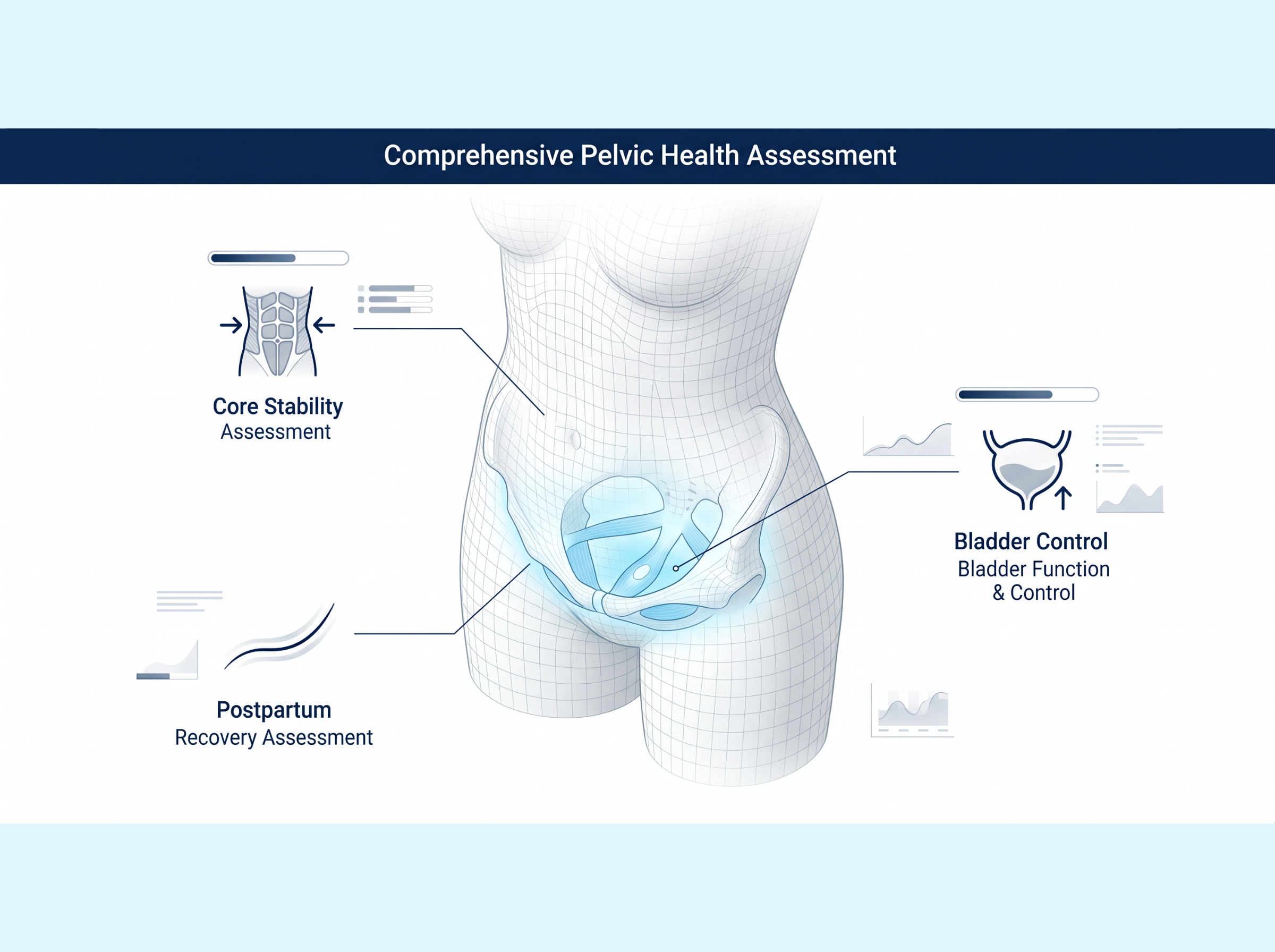
Part of the F95 Pelvic Health Program — a specialised evaluation applicable to both men and women, addressing an often-overlooked dimension of musculoskeletal wellness.
Clinical assessment of pelvic floor muscle strength, coordination, and endurance to diagnose dysfunction in both men and women.
Integrated evaluation of deep core musculature — transversus abdominis, multifidus, and diaphragm — and their role in pelvic stability.
Specialised musculoskeletal evaluation for new mothers addressing diastasis recti, pelvic girdle pain, and return-to-activity readiness.
Assessment of urinary incontinence, urgency, and frequency patterns linked to pelvic floor weakness or hypertonicity.
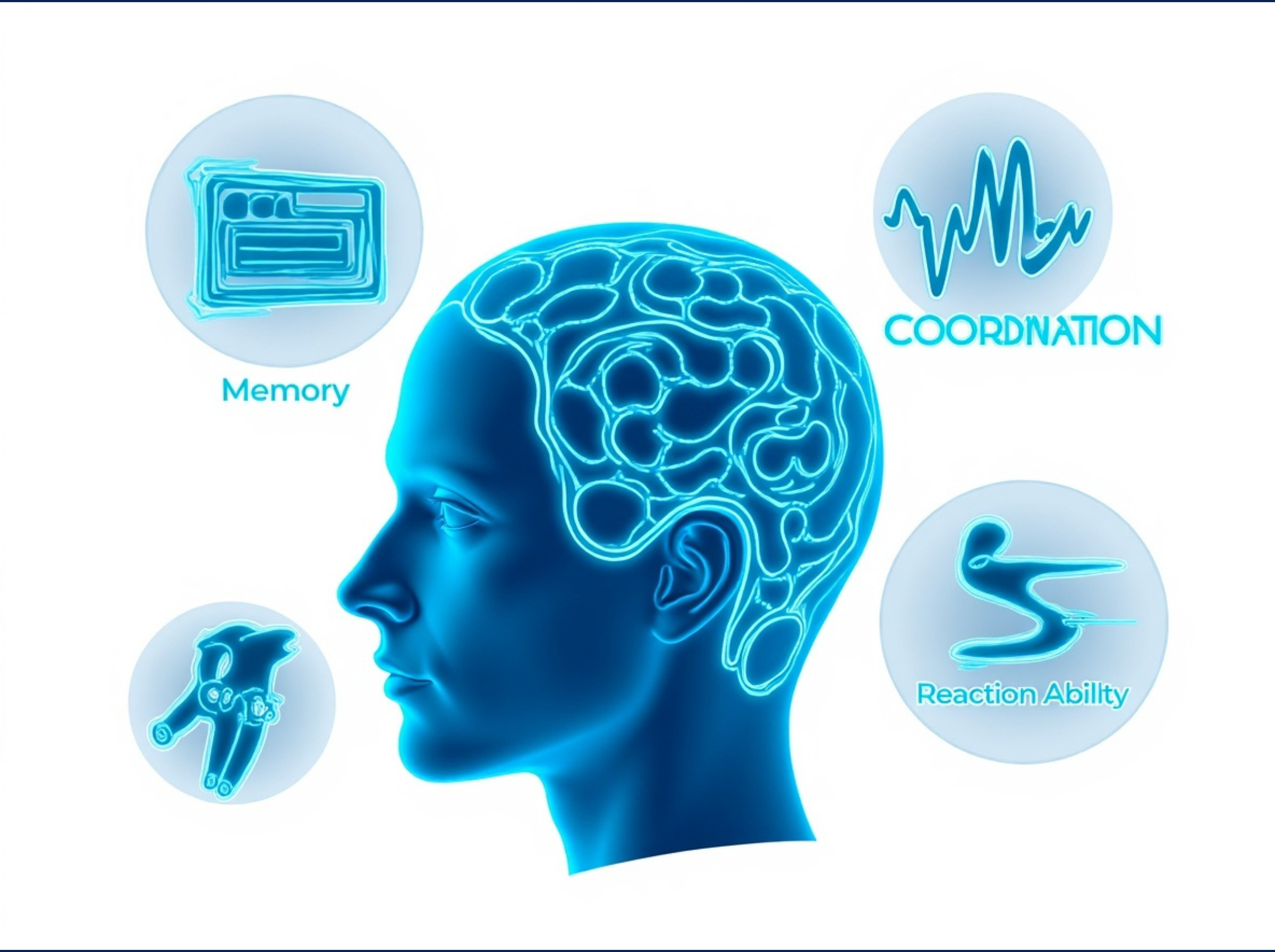
Part of the F95 Brain Gym Program — bridging the gap between neurological health and physical performance for children, the elderly, and those with cognitive concerns.
Standardised cognitive screening to assess working memory, attention, and executive function for early decline detection.
Dynamic balance and inter-limb coordination tests assessing cerebellar and vestibular system function in movement control.
Neuro-motor reaction time measurement using visual and auditory stimuli to benchmark cognitive processing speed.
A holistic performance review combining findings across all protocols to deliver a single, actionable clinical picture — empowering long-term health decisions.
Consolidated findings across all assessments into one evidence-based report with prioritised rehabilitation recommendations.
Proactive injury and dysfunction screening for individuals without current complaints to establish a health baseline and prevent future problems.
Weekend society camps and large public events — including marathons — extend F95's preventive assessment reach beyond clinic walls.
Structured re-assessment protocol for athletes and workers returning to full activity after injury, ensuring safe and confident resumption.
From a single targeted assessment to a full multi-protocol diagnostic package — our team of 60+ expert physiotherapists is here to guide you at every step.